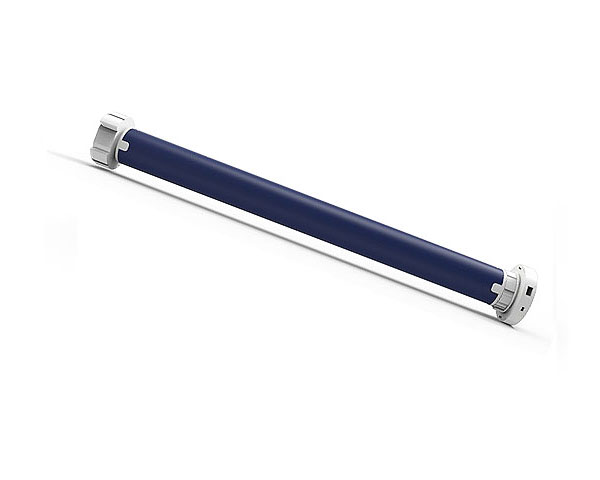
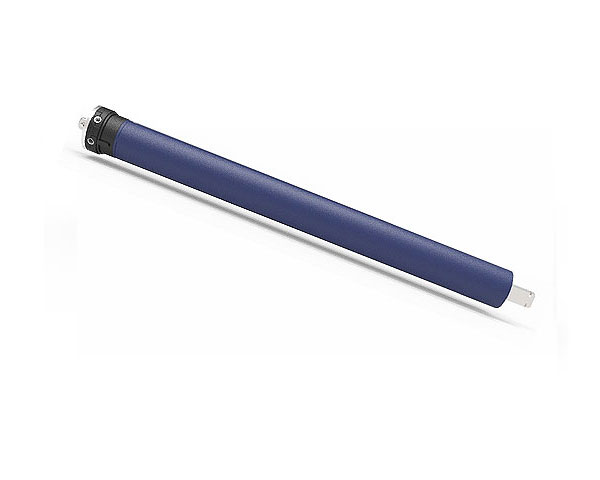
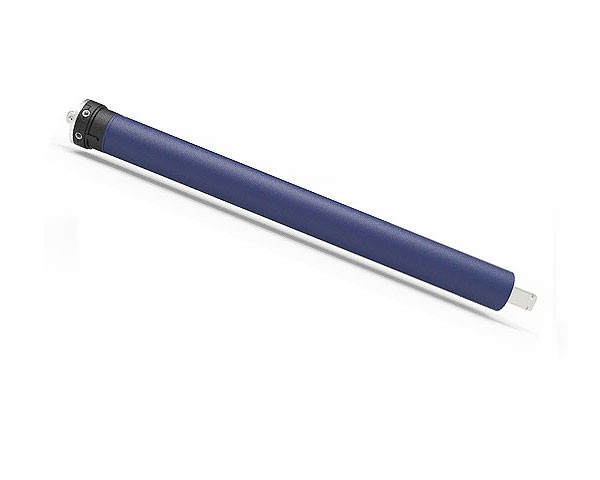
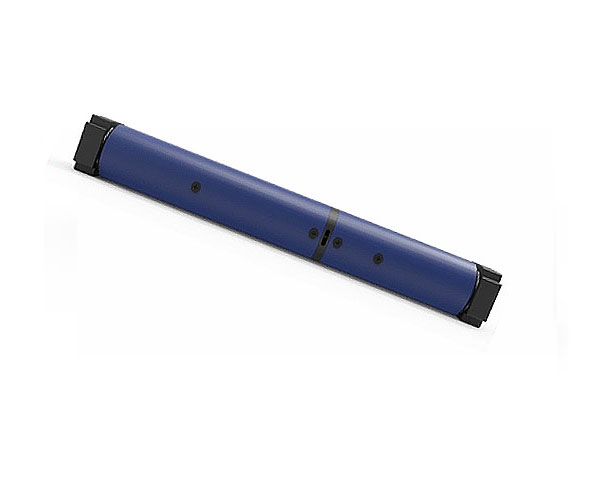
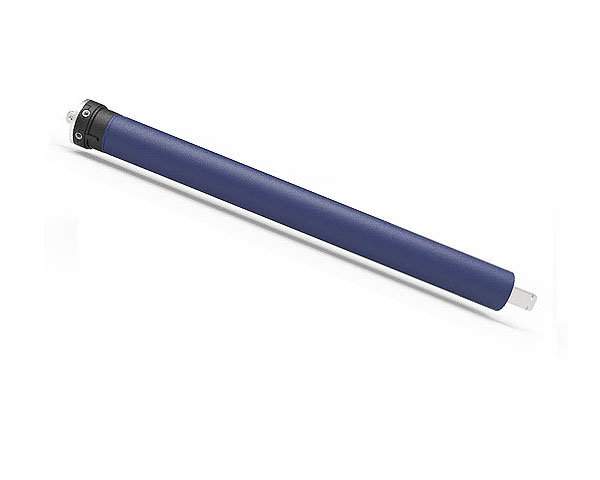
The standardization of tubular motor installation directly determines the operational stability. According to industry data, over 60% of tubular motor failures are caused by improper installation, such as installation tilt, incorrect wiring, and improper load matching. Many users choose to install them themselves to save costs, but they often overlook the core details, resulting in increased maintenance costs in the future. The following SCVE has summarized the key precautions for the entire installation process.
Pre-installation preparations: Firstly, verify that the motor model matches the load and the track, and confirm the load-bearing capacity of the installation surface. If the installation is on a lightweight wall, additional load-bearing brackets should be installed in advance to prevent loosening and detachment during operation. Secondly, check the installation environment, keeping it away from water sources and high-temperature heat sources. For outdoor installations, reserve space for drainage to prevent water accumulation and erosion of the motor. At the same time, prepare the appropriate tools, such as level gauges and wire clamps, to ensure installation accuracy.
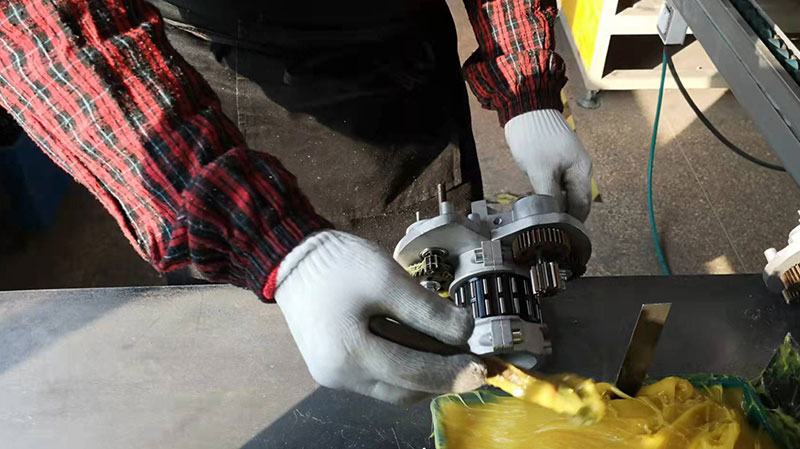
Installation practical points: When fixing the motor, a level gauge should be used for calibration to ensure that the motor is parallel to the track, with an inclination angle not exceeding 0.5°. Otherwise, it will cause the operation to be sluggish and the wear to increase. During wiring, strictly distinguish the positive and negative poles to avoid reverse connection and burning out the motor. The power cord should use national standard copper wire, and the wire diameter should be selected according to the motor power. For motors with a power exceeding 500W, it is recommended to use wire with a diameter of 2.5mm² or above. The connection point needs to be insulated properly. After installation, manually pull the track to check if it is smooth. If there is no jamming, then power on for debugging.
Debugging and Acceptance: After powering on, first test whether the motor rotates in both directions normally. Then, set the limit travel through the controller to ensure that the curtain or roller shutter stops automatically when it reaches the proper opening or closing position, to avoid over-shooting and damaging the equipment. During the debugging process, pay attention to observing the noise of the motor operation. If there is any abnormal sound, immediately cut off the power supply for inspection. This may be caused by overly tight installation or loose components. For home users, it is recommended to choose professional installation services from the industry, such as the 48-hour on-site installation service provided by SCVE, which can significantly reduce installation risks. In industrial scenarios, it is necessary for the manufacturer's technicians to conduct on-site debugging to ensure compliance with the production line operation requirements.

Tel: +865726573456 / 6573555

Fax: +865726572570

ADD: Changxing Economic Zone,Huzhou,Zhejiang,313100 China Export Department