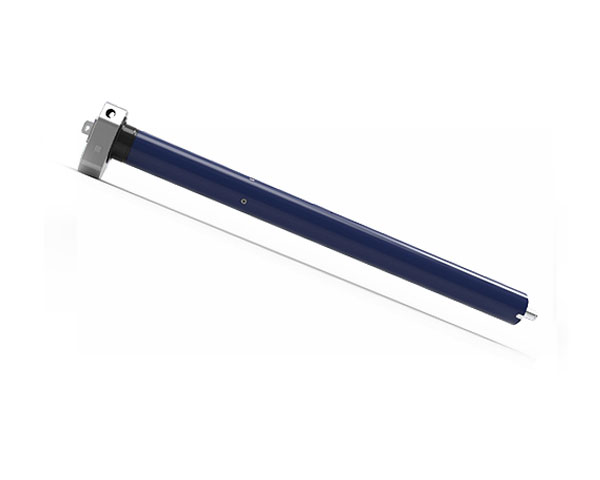
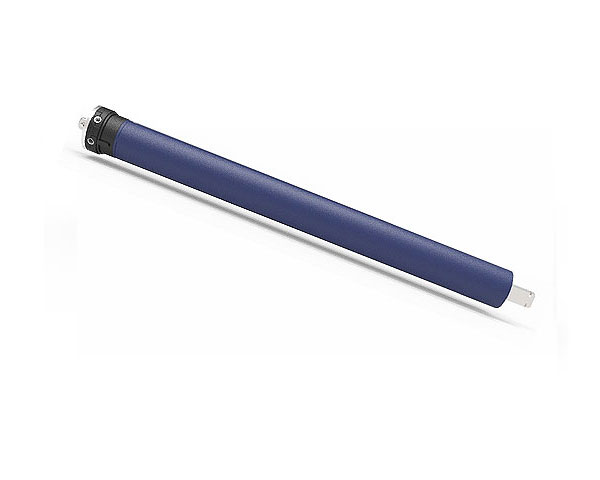
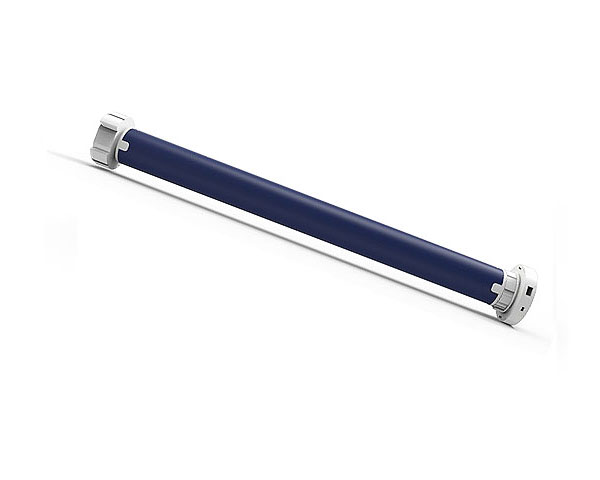
As the penetration rate of smart home technology continues to rise, smart curtains equipped with servo tubular motors have become the preferred configuration for high-end homes and public construction projects due to their precise positioning and stable operation. However, the installation standardization and scientificity of servo tubular motors directly affect the performance of the equipment and its service life. According to industry data, over 60% of smart curtain malfunctions are caused by improper installation and operation. Here, SCVE, based on actual application scenarios, elaborately dissects the core points of the installation and use of servo tubular motors for smart curtains, providing reference for industry practitioners and users.
During the installation process, the principle of "precise adaptation and standardized operation" must be adhered to, laying a solid foundation for use. Pre-checking is the primary prerequisite. It is necessary to carefully verify the compatibility between the motor model and the weight and running stroke of the curtain, to avoid equipment damage caused by insufficient torque or overload, such as large-sized floor-to-ceiling window curtains requiring high-torque models, while ordinary household curtains can choose regular specifications. At the same time, the load-bearing capacity of the installation surface must be confirmed to ensure that the brackets are firmly fixed and prevent the risk of loosening and detachment during operation. Installation positioning must strictly follow the requirements of the manual to ensure that the motor is installed horizontally or vertically, avoiding tilting that may cause jamming and positioning deviation; sufficient cooling space must be reserved around the motor, away from water sources and high-temperature heat sources. For outdoor installation scenarios, a protective cover should be used to enhance the protection effect and reduce the impact of harsh environments.
The wiring specifications are the key to avoiding electrical faults. During wiring, it is necessary to strictly distinguish between the positive and negative poles and prevent reverse connections; otherwise, the motor or servo driver may be burned out. The connection lines between the servo driver and the motor need to be firmly plugged in, and they should be kept away from strong electrical lines to reduce the impact of electromagnetic interference on positioning accuracy. If the lines need to be extended, matching specification cables should be selected to avoid signal attenuation. The test and acceptance phase cannot be ignored. After installation, the limit position for curtain opening and closing should be set through the controller. The limit travel should be debugged to ensure that the machine stops automatically after reaching the correct position without any jamming or overshooting phenomena. At the same time, the servo positioning accuracy should be tested to ensure that the opening and closing amplitude meets expectations. There should be no abnormal noise or jitter during the operation process. Only when all parameters are up to standard can it be officially put into use.
During use, the principle of "scientific operation + regular maintenance" should be followed to extend the equipment's lifespan. Daily operations should avoid frequent start-stop and overloading operation. Such behaviors are likely to cause the motor to overheat, trigger protection mechanisms and even damage internal components. For devices without a manual unlocking function, do not forcibly drag the curtains to avoid damaging the transmission structure. Regular maintenance should be carried out on a regular basis. It is recommended to check the firmness of the connection lines every 3-6 months, clean the dust on the motor surface and the track, and check the running noise and heat dissipation conditions. In humid and dusty environments, the inspection frequency should be increased. Take measures to prevent moisture and dust to avoid the components getting damp or accumulating dust, which may affect their performance.
Exception handling must follow a standardized procedure to avoid secondary damage. In case of issues such as positioning deviation, error messages, or inability to start, it is necessary to first cut off the power to troubleshoot the basic faults, such as loose wiring or load congestion. Do not disassemble the motor or driver by yourself. It is recommended to contact the brand's after-sales team first, such as SCVE, a brand with a complete service network, whose 72-hour rapid response service can achieve professional maintenance and ensure the safety and effectiveness of the repair.
In conclusion, the installation and use of servo tubular motors for smart curtains require a balance between standardization and scientificity. By choosing high-quality brand products and ensuring comprehensive after-sales support, the precise and stable advantages of these motors can be fully utilized, thereby safeguarding the intelligent living environment.

Tel: +865726573456 / 6573555

Fax: +865726572570

ADD: Changxing Economic Zone,Huzhou,Zhejiang,313100 China Export Department